chit at work
How to prove a verbal agreement
Most disputes in the trades and in services are not about whether work was done. They are about what somebody agreed to on a Tuesday in a basement. This page is about what evidence of that looks like — and about a clause most people do not know is in their own contract. It is general information, not legal advice.
This is general information, not legal advice. Recording law varies by state and by situation, it changes, and only a lawyer in your jurisdiction can tell you what applies to you. chit records only while you hold the button — that is a fact about the device, not a statement that any particular recording is lawful.
The clause nobody mentions
Start here, because it changes everything else on this page. Many commercial and construction contracts contain a written-changes-only clause: a term saying that no change to the scope or price is effective unless it is in writing and signed. Where such a clause applies, a verbal agreement to a change may be unenforceable no matter how good your evidence of it is.
That is the part comparison pages and product pages leave out, and leaving it out is close to malpractice, because it inverts the advice. If you have that clause, the answer is not better recordings — it is getting the change in writing before you do the work. Read your own contract, and ask a lawyer what your clause does.
What contemporaneous evidence means
Where a spoken agreement can matter, what carries weight is generally evidence created at the time rather than reconstructed later. A note written the same afternoon is treated differently from a recollection offered a year later, because it was made before anybody knew there would be a dispute.
The forms that usually exist: a confirming email sent the same day, a note in a job log with a date, a text message, a photograph with metadata, an invoice or change order presented and not objected to, and the behaviour of both parties afterwards — which is often the most persuasive of all, because people who agreed to something tend to act like it.
None of this is a guarantee about any outcome. Whether any of it helps depends on the jurisdiction, the contract, and the facts, and nothing here says a recording or a note will hold up anywhere.
The habit that produces it
The practical version, whatever tools you use, is to make the record before you leave the site — while both of you are still standing there and neither of you has a reason to remember it differently.
- Say it back to them out loud in the moment: "So we're adding the second panel at eight hundred, and that pushes us to Thursday."
- Make your own note the same day with a date on it, not at the end of the week.
- Send the confirming email or text before you invoice — it creates a written record and gives them the chance to correct it.
- If your contract requires written change orders, get the written change order. That is the whole answer where it applies.
Where a recorder fits
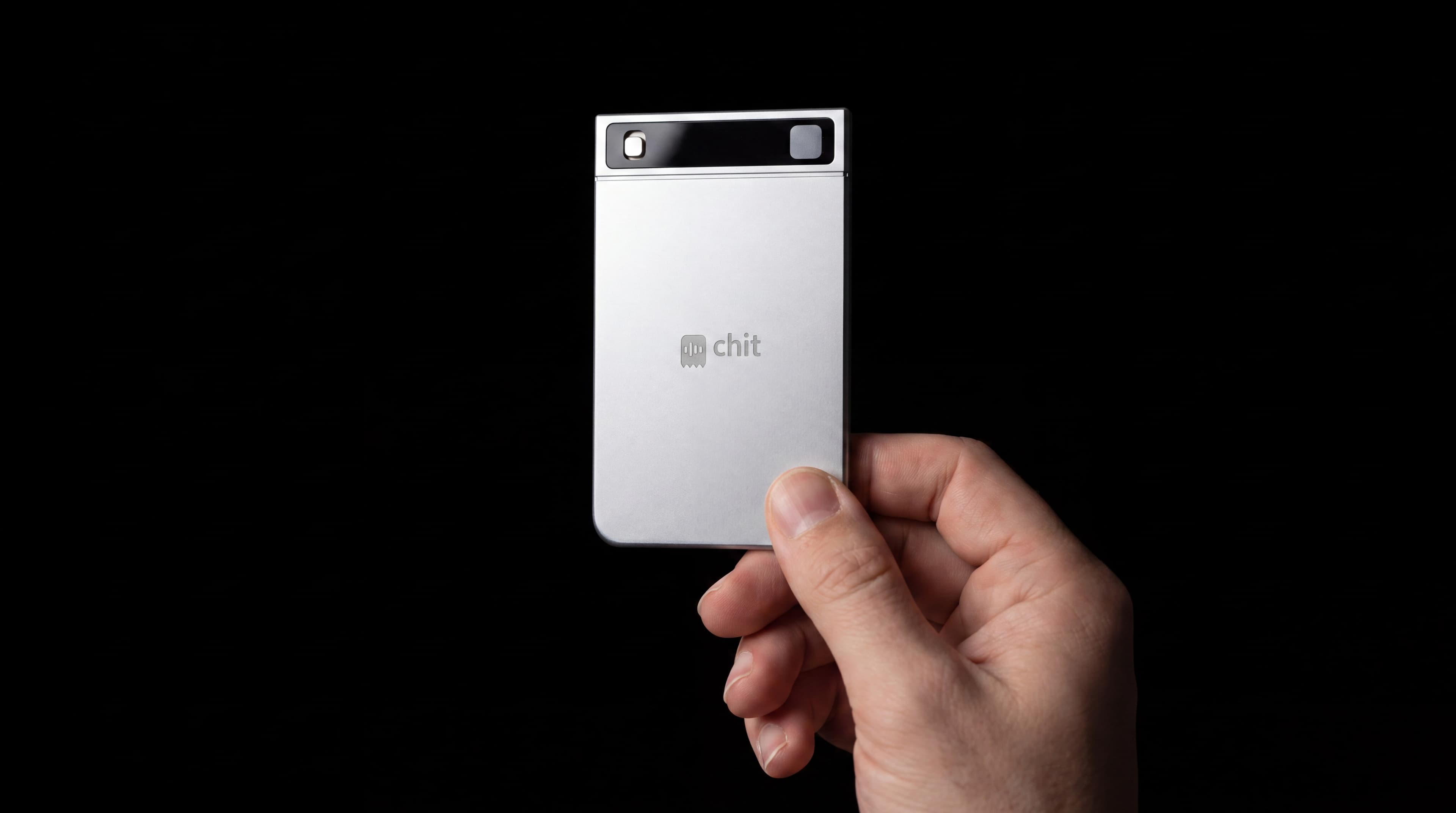
chit exists for the first line of that list. Hold the button and say the recap while you are standing at the work: what you found, what it changes, what they said. It becomes a transcript with a timestamp, and ask-anything search finds it months later when the invoice is questioned.
What that gives you is a contemporaneous account in your own words, made at the time. It is not a signed change order, it is not legal advice, and it does not tell you whether recording that conversation was permitted where you were standing — the rules vary by state and are on our consent laws page. Where you record a conversation with another person rather than your own recap, that question is yours to answer first.
Good questions
Is a verbal agreement binding?
Sometimes, and it depends on the jurisdiction, the subject matter and the contract. Some agreements must be in writing to be enforceable, and a written-changes-only clause can make a verbal change ineffective regardless of evidence. Ask a lawyer about your situation.
Will a recording hold up?
That is not a question this page can answer, and we are not going to claim it will. What a contemporaneous record does is document what was said at the time; what weight it carries is for a lawyer and a forum to determine.
Should I record the other person?
That depends on your state's law and the situation, and we are not advising you to. Many people use chit for their own recap after the conversation instead, which avoids the question entirely.
What is the single most useful habit?
Confirming in writing the same day. A short email restating what was agreed both creates a record and gives the other party the chance to correct it while it is still cheap.
Reviewed 2026-08-07.
Nearby trades
chit for plumbing
A useful visit recap keeps the scope, findings and next office action together.
Superintendentchit for construction
Your daily log is your delay-claim defense. Voice makes it actually get written.
Estimator / crew leadchit for roofing
The supplement you forgot to write down is the margin you lost.