chit at work
WFH stipend ideas when your desk is already sorted
The lists are all written for someone setting up a desk for the first time. If you already have the chair, the monitor and the standing desk, none of it helps — and the balance still expires. This is the list for the second year.
The second-year problem
First-year stipend advice is furniture. It is good advice once. By the second year the desk is sorted, the chair is fine, and the money is still there with a date on it — which is how people end up buying a fourth monitor or letting it lapse entirely.
The useful reframe is to stop shopping for objects and start looking for the part of your week that is worst. For most remote and hybrid workers that is not the desk. It is everything that happens away from it: the call you took walking, the decision made in a meeting that nobody wrote down, the follow-up you meant to send.
How much is usually there
Worth knowing before you assume something is too expensive to ask for. These are published vendor benchmarks, and they are what a typical programme looks like rather than a guarantee about yours.
| Published figure | Source |
|---|---|
| Average stipend funding of about $850 per employee per year — around $1,675 at companies under 100 people, $649 at 1,000-plus | Compt, 2026 benchmark |
| Home Office Setup median of about $540, typically one-time; Connectivity about $640 a year | Forma |
| Most programmes fall between $250 and $2,000 annually | Espresa |
| Productivity stipends typically $20–$50 a month; wellness $50–$200 | Compt |
| 35% of employers offer a work-from-home stipend, averaging about $500 | Cited by Branch |
Published by the platforms themselves and current as of the reviewed date below. Your own balance is whatever your employer funded.
What is actually left worth buying
Roughly in order of how much difference they make once the furniture is done. The last one is ours, and we have put it last on purpose.
- Better light on your face, not on your desk — the single cheapest upgrade to how you come across on video, and the one nobody buys.
- A second, wired pair of headphones kept permanently at the desk, so the good ones being flat stops being a problem twice a week.
- A proper microphone if you present or record often; a webcam if yours predates the pandemic.
- A dock or a single-cable setup, if you still plug in three things every morning.
- A backup power bank or a small UPS if your internet drops with the power.
- Anything under a professional-development line: a certification, a course, a subscription you keep meaning to expense.
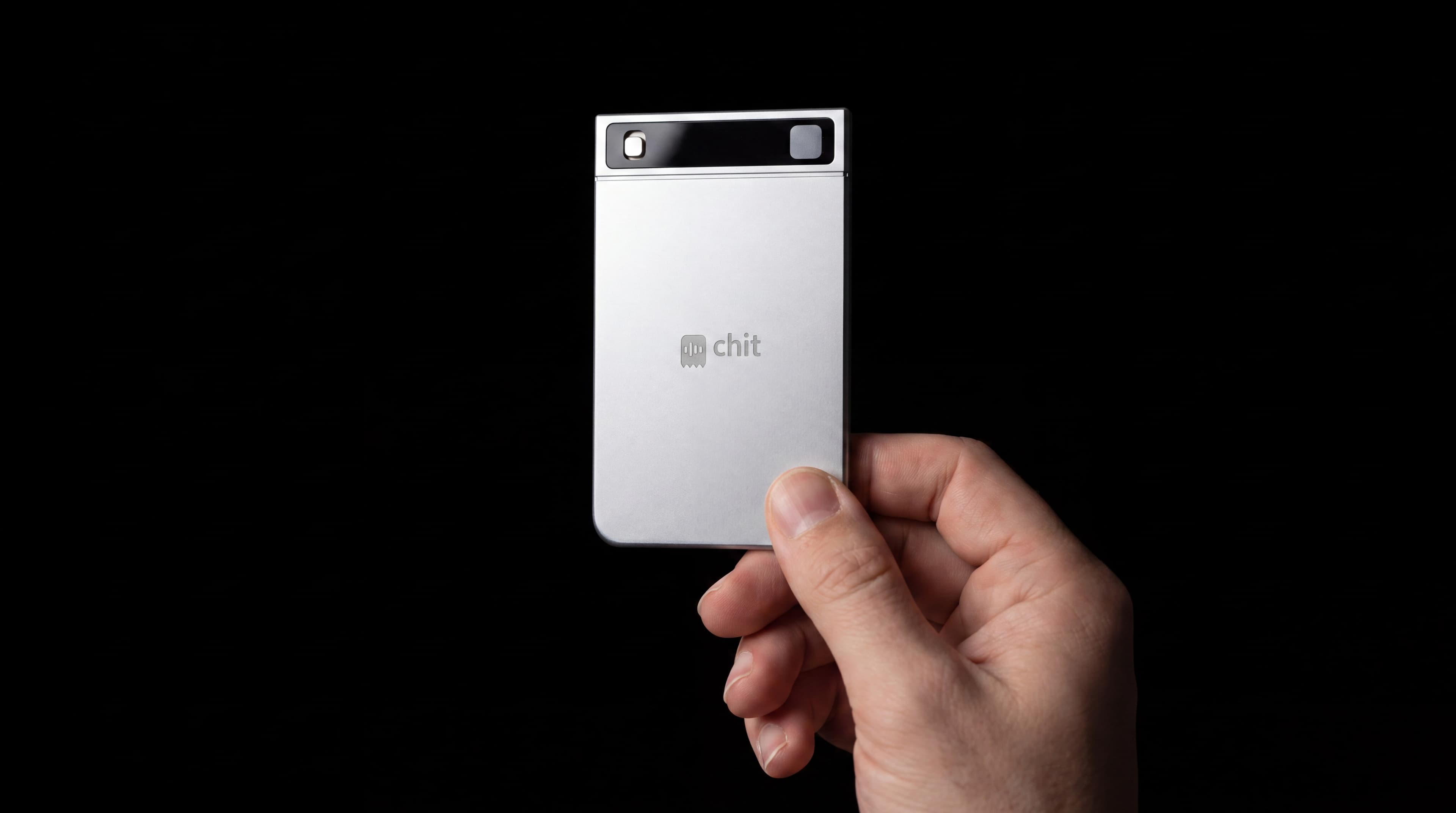
- A way to capture what gets said when you are not at the keyboard — which is the gap most remote workers still have and the one we build for.
Spend it before it expires, and ask the right way
Most of these balances do not roll over. A stipend forfeited is worth nothing, and the deadline is usually the quarter or the calendar year — Compt reports that quarterly funding produces noticeably higher utilisation than annual funding, which is a polite way of saying annual budgets get forgotten.
One thing worth doing before you spend: check whether your employer also has an ordinary equipment or home-office expense policy. If the item is genuinely for work, that route is generally not taxable to you, where a lifestyle stipend generally is. Same purchase, less tax. It is not advice about your situation — just the question worth asking before you spend the pot with your name on it.
Good questions
What can I actually buy with a work-from-home stipend?
Whatever your employer's plan says, which is genuinely the only honest answer — every platform in this market delegates eligibility to the employer. In practice home-office categories tend to cover desks, chairs, monitors, headphones, lighting, connectivity and general work equipment. Read your own plan guidelines in whichever app administers it.
Is a voice recorder likely to be eligible?
It fits the categories better than most people assume. Forma's home-office page names microphones among the gadgets it funds, Lively's names computer and accessories, and Compt runs an explicit productivity category. None of that guarantees your plan covers it — but it is not an exotic request.
What happens if I do not spend it?
Usually nothing good — most balances do not roll over, and unspent money is simply forfeited at the end of the period. Check the deadline in your benefits app; some platforms also have a grace or run-out window for submitting claims after the period ends.
Can I split a purchase across two years of stipend?
Some platforms support submitting against a prior period, and some have documented handling for large or ongoing purchases. It varies enough that the answer has to come from your own platform's help centre rather than from us.
Will I pay tax on what I buy?
Generally yes for a lifestyle stipend — it is usually treated as income to you. A business-expense reimbursement for work equipment generally is not. This is general information rather than tax advice.
Reviewed 2026-08-10.
Elsewhere on the site
Nearby trades
chit for product management
Your roadmap is buried in 40 user interviews nobody re-listened to.
AE / SDRchit for B2B sales
Gong ends where the handshake begins. chit does not.
CSMchit for customer success
Churn announces itself in tone months before the email.
Consultantchit for consulting
The insight was said in the hallway after the workshop.