chit in the field
A voice recorder for tow truck operators and recovery crews
Who carries it: Operator
The dent was there before you hooked it — but can you prove it a month later? A voice recorder for tow truck operators puts vehicle condition, police-scene instructions, and customer authorizations on the record as they happen, and files calls run, damage documented, and storage-lot notes by end of shift. Every damage claim starts after the car leaves your hook; the walk-around you narrated is the defense.
Every damage claim starts after the car leaves your hook.
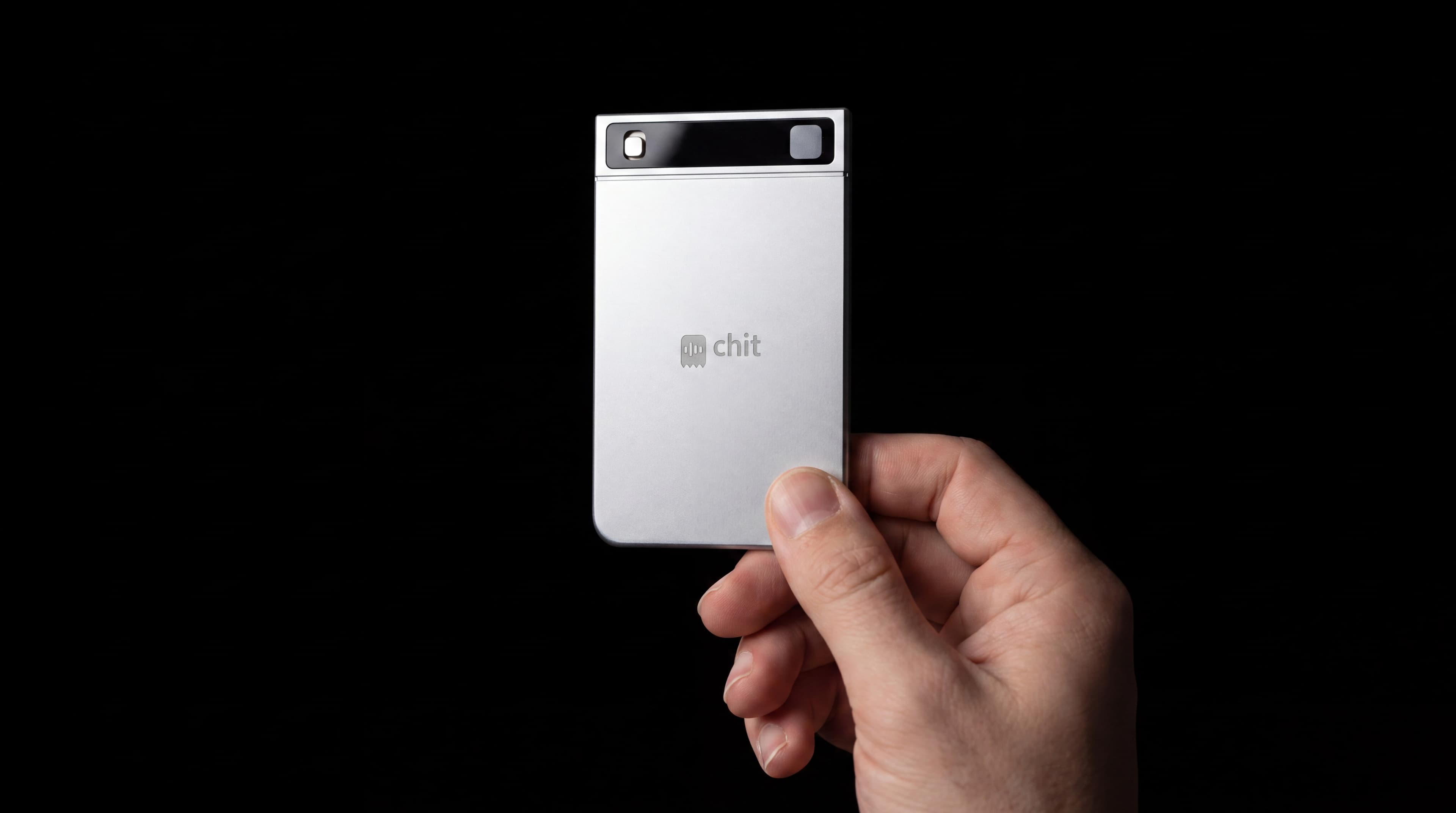
When an operator presses it
- Vehicle condition on hookup
- police-scene instructions
- customer authorizations
“Heavy-recovery operator; document vehicle condition and on-scene instructions.”
A context like this — typed once into the app — is how chit stops being a generic recorder and starts being yours.
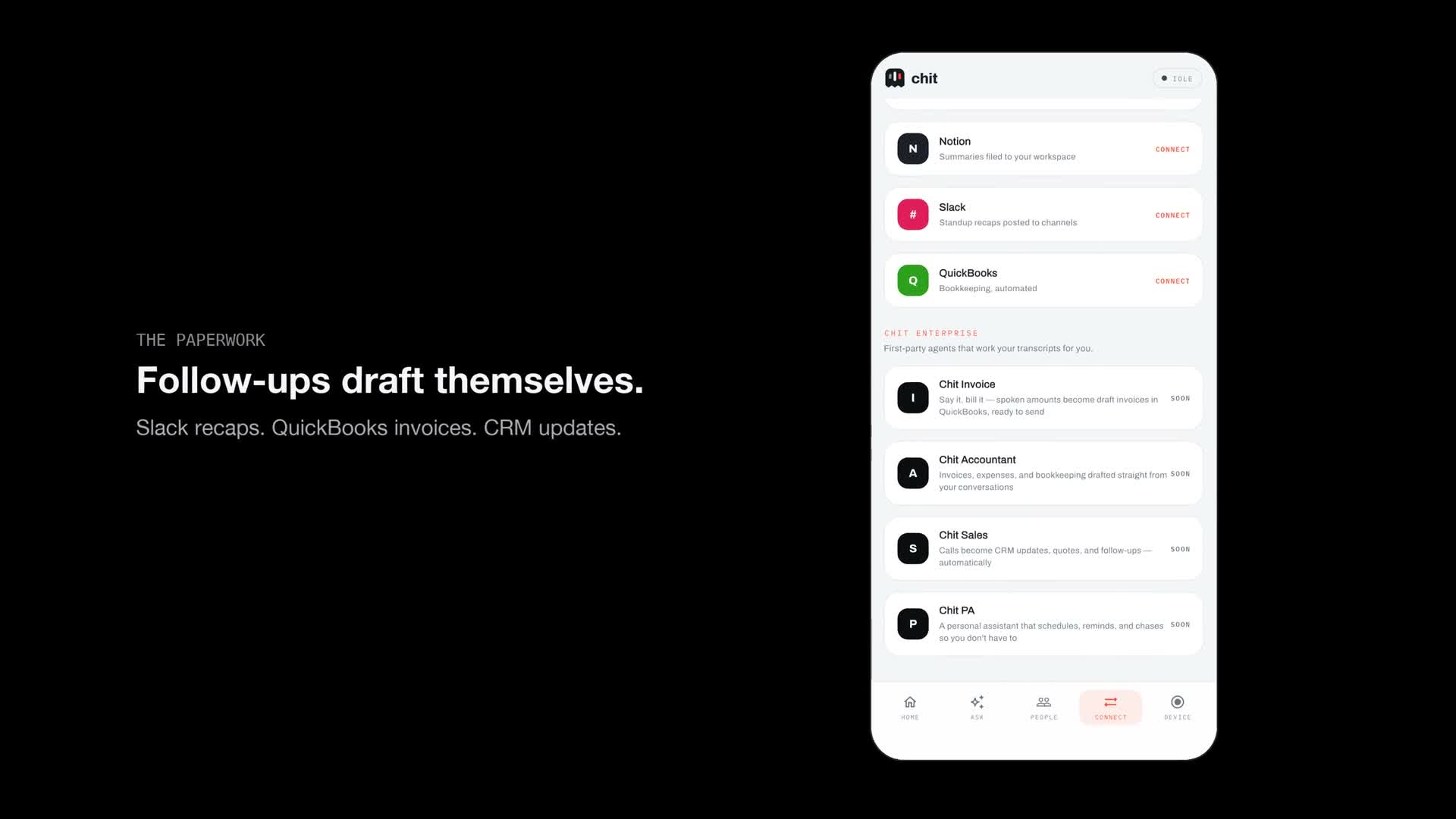
Calls run, damage documented, storage-lot notes filed.
Hookup condition and on-scene instructions on record for every call, in the company's own VPC.
Hookup-condition audio is the record a damage claim gets argued from; storage in your own VPC.
The condition of the car when you hooked it
Damage claims in recovery come down to the state of the vehicle at hookup, and the operator is the only person who saw it. Walk the car and narrate: the bumper that was already hanging, the wheel damage, the interior. Say what the officer told you on scene and what the owner authorized. It takes less time than photographing it and it captures what a photograph cannot — the instruction, the authorization, the context. The record lives with the call. When a storage dispute or a damage claim arrives weeks later, there is something to point at other than an operator's recollection of a bad night. Operators tend to run it on the authorization more than the damage: the owner who says tow it to the shop on Grand, the officer who says clear the lane first. Those are the instructions that get argued about, and they are spoken to one person in the dark.
See the app work
Good questions
Can I document vehicle condition before I hook up?
Yes — hold the button and narrate the walk-around: existing dents, glass, wheels, contents. That condition record exists before the car ever leaves your hook, which is when damage claims start.
Does it work at 2am on a rural shoulder with no signal?
Yes. chit records offline and syncs when you're back in coverage, and the battery runs about a month of typical use — not another thing to charge nightly.
Can I capture on-scene instructions and authorizations?
Instructions and customer authorizations you capture while holding the button become part of the call's record, alongside condition notes and storage-lot notes.
How do I find notes on a car that's been in the lot for a month?
Ask-anything search runs across everything you've captured — a unit's hookup notes, authorizations, and storage history come back with one question.
We run a fleet — where do the recordings live?
For companies, chit deploys as a branded device fleet with data resident in your own VPC, so hookup-condition records stay yours. See hichit.com/enterprise.
Recording laws differ by state, and several require every party's consent. chit only captures while the button is held — know your state's rule before recording another person.
Nearby trades
chit for welding and fabrication
The change the customer 'never asked for' - recorded.
Multifamily maintenance techchit for property maintenance
Turnover season runs on punch lists nobody typed.
Site supervisorchit for commercial cleaning
Contracts churn on the punch items your supervisor heard and lost.
Crew lead / estimatorchit for moving and storage
Claims season is decided during the walkthrough, not the move.